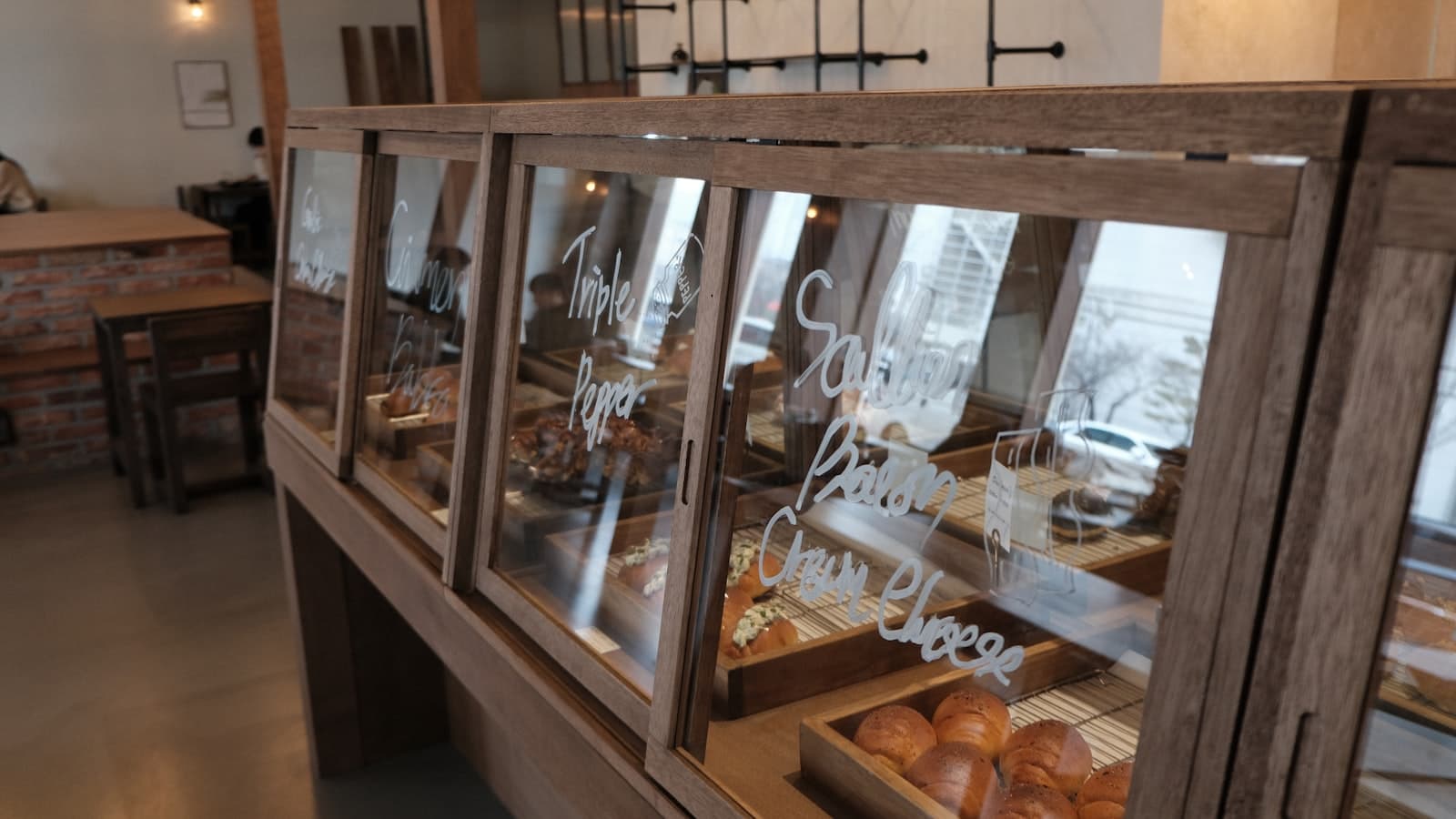
10 proven ways to cut ingredient waste in a pastry shop
Ingredient waste is 6-15% of production costs in a typical pastry shop. Here are 10 proven ways to cut it in half, from the experience of PyziPyzi and other pastry shops.
How much you really lose and why
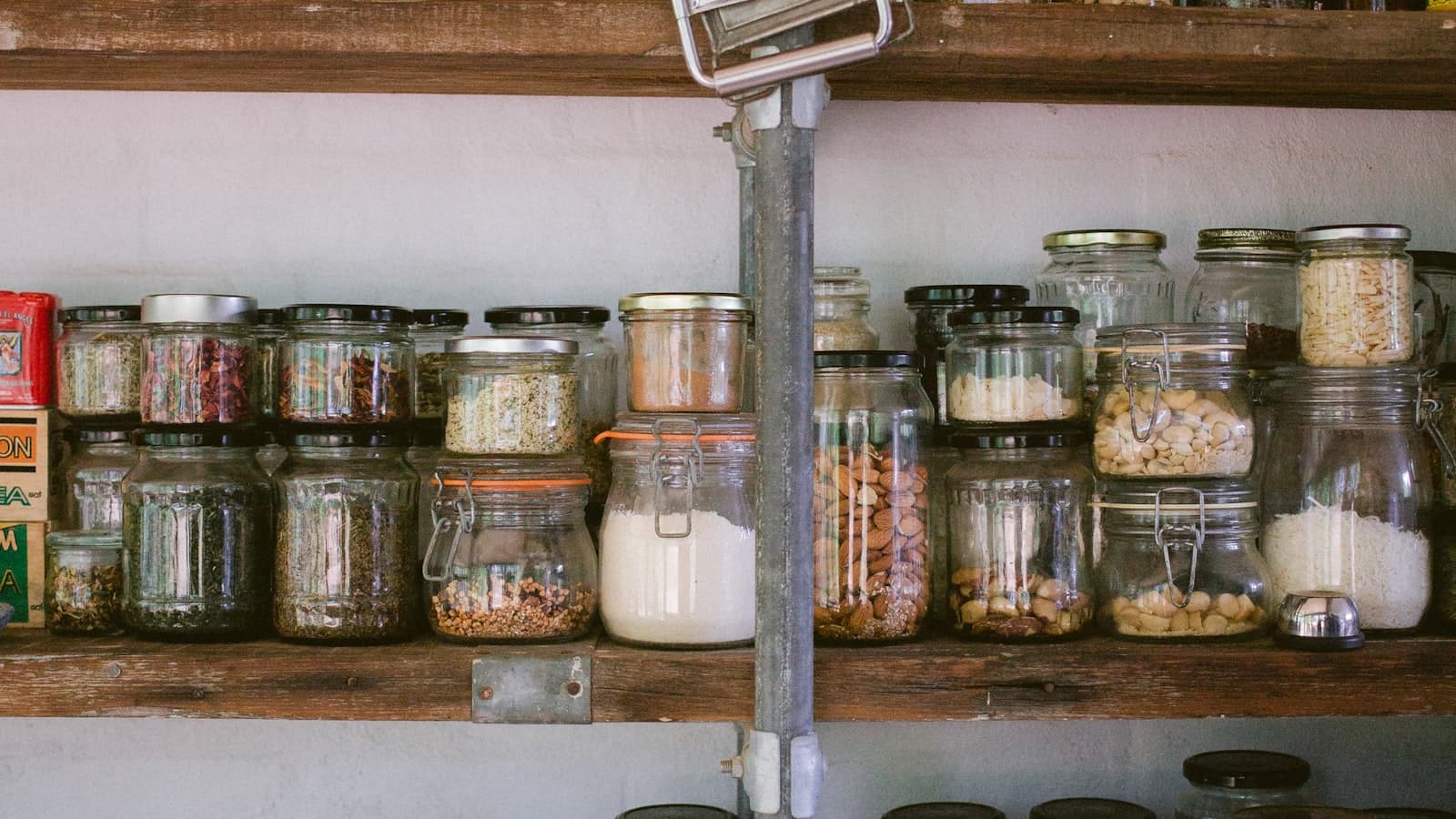
A typical craft pastry shop loses 6-15% of its ingredient cost to waste. In a pastry shop with a turnover of 30,000 PLN a month that is 1,800-4,500 PLN thrown in the bin every month. 22,000-54,000 PLN a year. That is enough to buy a used craft batch freezer or equipment for making wedding cakes.
- expired ingredients in the fridge: the most common source of waste (about 40% of all waste)
- overproduction: you made 10 tarts, sold 6, the rest goes in the bin (about 25%)
- recipe mistakes: a wrongly weighed ingredient, a burnt sponge, a cracked cake (about 20%)
- process losses: leftovers at the bottom of the bowl, cream on the pan, spilled puree (about 10%)
- theft or staff eating products: rarely talked about, but it happens (about 5%)
Tip 1: FIFO in the fridge, first in, first out
The FIFO rule (First In, First Out) is obvious, but in practice 90% of pastry shops break it. New cream goes on the shelf under the old cartons, because “it is quicker”. The result: the old ones expire and you open new ones.
- every product gets a label with the delivery date when it goes into the fridge (marker, tape)
- new stock ALWAYS goes to the back of the shelf, old stock to the front
- every week (for example Monday at 8:00): a fridge review, throw away everything past its date
- small fridges (a 50 m² pastry shop): review daily, because they are too full
- the 3/4 rule: if less than 25% of the shelf life is left (for example a product valid for 10 days with 2.5 days left), use it as a PRIORITY
Tip 2: Pre-orders instead of baking blind
The biggest lesson of the last 3 years at PyziPyzi: do not bake 20 tarts in the morning in order to sell them during the day. Make what the customer has already ordered. The rest is risk.
- holidays and occasions (Valentine's Day, Easter, Mother's Day, Christmas): pre-orders only
- the customer orders at least 3-5 days ahead and pays 30-50% up front
- you produce exactly as much as you need the day before
- 100% sold, 0% waste
- bonus: the customer is guaranteed to get their cake (the regular Valentine's Day traffic does not get turned away)
When we introduced pre-orders for Christmas boxes in December 2023, our waste on Valentine's Day 2024 fell from 18% to 3%. We produced exactly as much as customers had ordered.
Tip 3: A recipe cost calculator down to the gram
It is not enough to “roughly know what it costs”. Every recipe should be costed down to the gram and down to the zloty. In BakePilot (or in a good Excel spreadsheet) you enter:
- the recipe composition: grams of each ingredient
- the ingredient price: the current purchase price (per kilogram or per liter)
- unit cost of the ingredient in the recipe = (grams / 1000) × price per kg
- the sum of all ingredient costs = the ingredient cost of the recipe
- + packaging + energy + label + labor = the TOTAL cost of the recipe
- selling price >= TOTAL cost × 3 (the standard for a premium pastry shop)
- selling price >= TOTAL cost × 2.2 (the standard for a budget pastry shop)
Tip 4: Freezing leftovers, a controversial practice from pastry chef groups
This topic keeps coming back in discussions in industry groups, so we have pulled it together here to give you the full picture of what is said in the trade. A note from the editors: at PyziPyzi we do NOT use this practice and do NOT recommend it. Customers always get fresh fillings, and we treat leftovers as a real cost, addressed in tip 5 (a secondary product) and tip 10 (measurement). Below is a description of the practice (not instructions): some pastry shops freeze leftovers of clean ingredients, yesterday's egg whites, leftover cream, untouched filling, to use in “base” production, meaning later batches where the difference in freshness is less noticeable.
- custard filling (unfinished): frozen for cookies, muffins, brownies
- egg whites left over from yolks: frozen one at a time (ice cube tray), used for meringue
- yolks left over from meringue whites: frozen, used for ice cream, caramel, custard
- fillings left at the end of the day (if fresh, less than 4 hours chilled): frozen for 2 weeks at most
- ABSOLUTELY: fresh fruit, milk and cream must NOT be refrozen once they have been frozen
This is NOT our recommendation. We believe customers should always get fresh fillings. We have collected this topic because it comes up in every other pastry discussion, so you know what goes on in the industry and can consciously say “no”.
Tip 5: A secondary product from a failed cake
A cracked sponge, a failed fondant, a cake with a decoration mistake: do not throw it away. Rework it. You have the base for a second product.
- a ruined chocolate sponge → chocolate “cake pops” with buttercream (8 PLN each, profit)
- a failed meringue → crumble for a fruit tart (the customer will not tell, and it is cheap)
- a macaron that is too hard → a crushed topping for ice cream
- a cracked fondant cake → a layered “dessert in a jar”, sold separately
- ready fillings 1 day past their date → for the staff (ethical, and it boosts morale)
Tip 6: A rotating menu instead of a fixed one
If your pastry shop has 30 items and each sells once or twice a day, every one of them generates waste. It is better to have 12 items that each sell 10 times a day.
- review sales from the last month: 20% of items generate 80% of turnover (the Pareto principle)
- bestsellers ALWAYS on the menu
- the rest: a weekly rotating menu (a different set every week)
- the effect: customers come back to “see what is new”, waste falls by 40-60%
- marketing bonus: a “menu of the week” on Instagram engages customers regularly
Tip 7: Small batches throughout the day
Do not bake 40 tarts in the morning. Bake 10 at 7:00, 10 at 10:00, 10 at 13:00 and 10 at 16:00. A fresher product, less risk, and the customer buys something fresher.
- for short-life products (tarts, New York cheesecake, cream puffs): always small batches
- for long-life products (cookies, macarons): once a day is fine
- for cakes: always the day before, plus decoration in the morning
- it requires good planning, but cuts waste by 25% on average
Tip 8: Portion control
If a recipe calls for 300 g of butter and an employee adds 350 g “by eye”, across 100 recipes a month that is 5 kg of extra butter (200 PLN). All ingredients should be weighed.
- every workstation has a digital scale accurate to 1 g
- large amounts (over 5 kg): a platform scale accurate to 10 g
- staff are trained: the recipe is law, not a suggestion
- a monthly audit: compare planned recipes with ingredient usage, a difference above 5% = a problem
Tip 9: “Last minute” evening sales
At 17:30 there are 3 slices of cake and 5 sweet buns left. Tomorrow they will not be good any more. You have two options: throw them away or sell them at 30-50% off.
- a “last minute” zone in the display case from 17:00, with 30% off evening products
- a regular cafe customer near you will take the whole set at 40% off
- the Too Good To Go app: selling a “surprise bag” for a third of the price
- donating to a foundation or a community fridge: no revenue, but zero waste and good PR
- never: throwing good food into a closed bin without trying to sell it
Tip 10: Measure, document, analyze
Without data you will not improve anything. If you do not measure waste, you do not know how much you lose or what.
- every day at closing: a list of discarded products plus their value in PLN
- categorize waste: overproduction / expired / production mistake / damage
- a monthly report: waste as a % of ingredient cost
- compare month to month: if it goes from 8% to 5% in 3 months, you are winning
- in BakePilot: waste analysis, expiry alerts, FIFO in the inventory
Case study: PyziPyzi 2022-2025, from 12% to 4-6% waste
For context: PyziPyzi's turnover is about 1 million PLN a year, and the ingredient cost (flour, butter, eggs, fruit, chocolate) is about 30% of production cost. In 2022 our ingredient waste was about 12% of production cost. After introducing pre-orders, a rotating menu, FIFO discipline and daily waste measurement, by 2025 waste fell to 4-6%. In numbers: from about 36,000 PLN of wasted ingredients a year to 15,000-18,000 PLN, a difference of 18,000-21,000 PLN a year that stays in the pastry shop. Enough to buy a new fridge or a used batch freezer every year, or cover the annual cost of insurance and equipment.
- turnover: about 1,000,000 PLN a year
- ingredient cost: about 30% of production cost (a standard share for a craft pastry shop)
- waste in 2022: about 12% of production cost → about 36,000 PLN a year thrown away
- waste in 2025: about 4-6% of production cost → about 15,000-18,000 PLN a year
- net savings after applying the 10 tips: 18,000-21,000 PLN a year
How BakePilot helps
The 10 tips work when you have data. Without measuring waste, without food cost per product, without stock rotation, you are left with “gut feeling”. In BakePilot the inventory with expiry dates keeps FIFO in check automatically (the system shows what has the nearest date). Stocktaking shows the difference between what should theoretically be there and what is there, and that difference is your waste. The cost calculator and sales analytics show which products really make money and which live “by eye”. And holiday pre-orders together with the production calendar are the simplest way to cut seasonal waste: you produce for specific orders, not for a guess. Tip 10 (“measure, document, analyze”) is exactly what BakePilot does for you in the background.
Sources and footnotes
- [1]The FIFO principle and HACCP in food production: practical guidelines (in Polish), Chief Sanitary Inspectorate of Poland / National Food and Nutrition Institute, 2022
- [2]Report on food waste in food service and confectionery in Poland (in Polish), Federation of Polish Food Banks, 2023link (opens in a new tab)
- [3]Our own experience: the PyziPyzi pastry shop, Kalisz, Poland, Kamila Kowalska and Patryk Kowalski, 2018-2026
Author: Kamila Kowalska. Last updated: . Spotted a mistake? Write to kontakt@bakepilot.pl and we will correct it and update the date. Editorial policy
How would you rate this article?
Your rating helps us write better content for bakers and pastry chefs.
Loading…