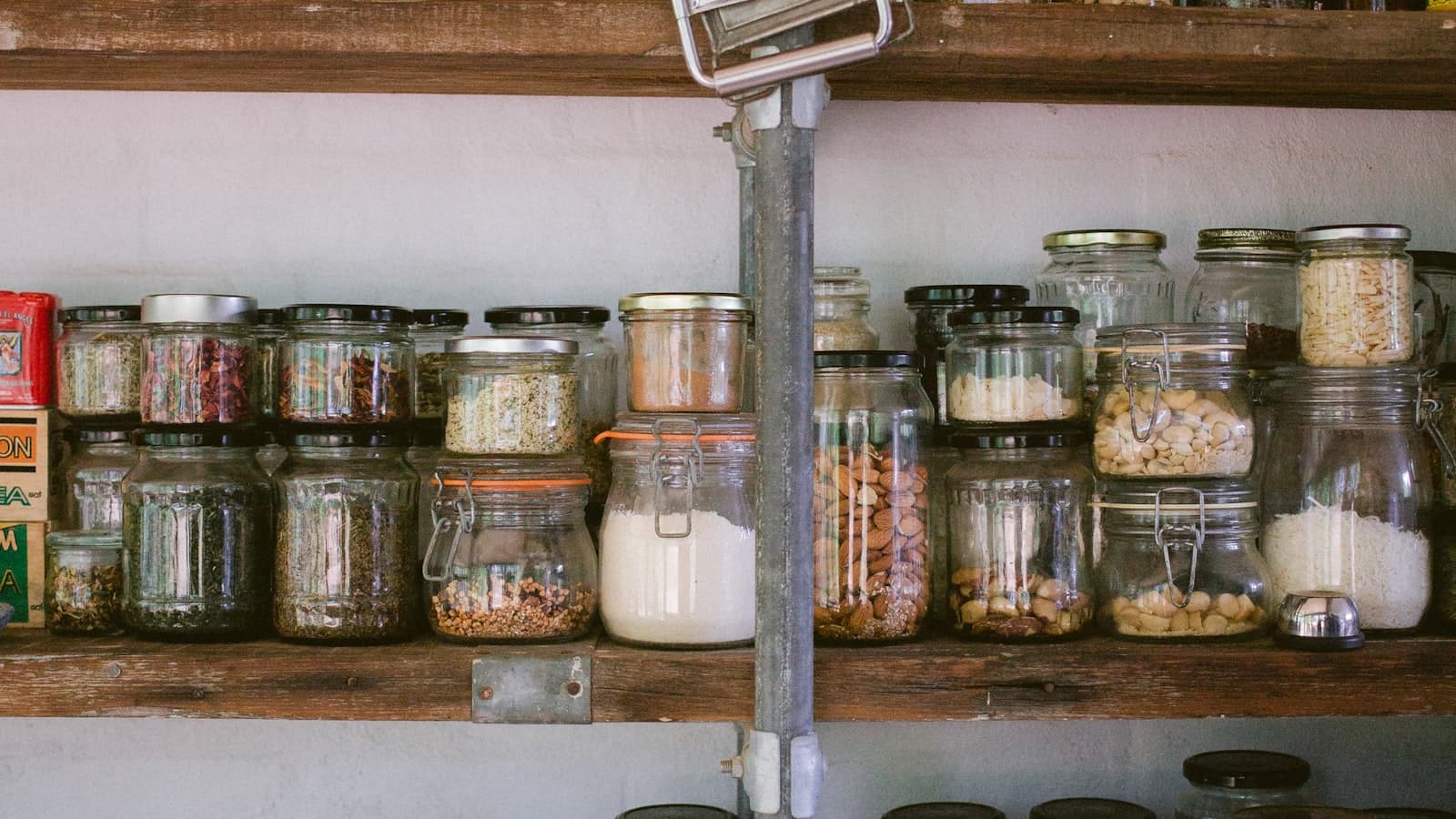
Margins on ice cream and desserts: why “cheap to make” is misleading
A scoop of ice cream looks like a gold mine, until your first summer of bills. The real cost is not just milk and sugar, but equipment running all year and sales lasting only a few months.
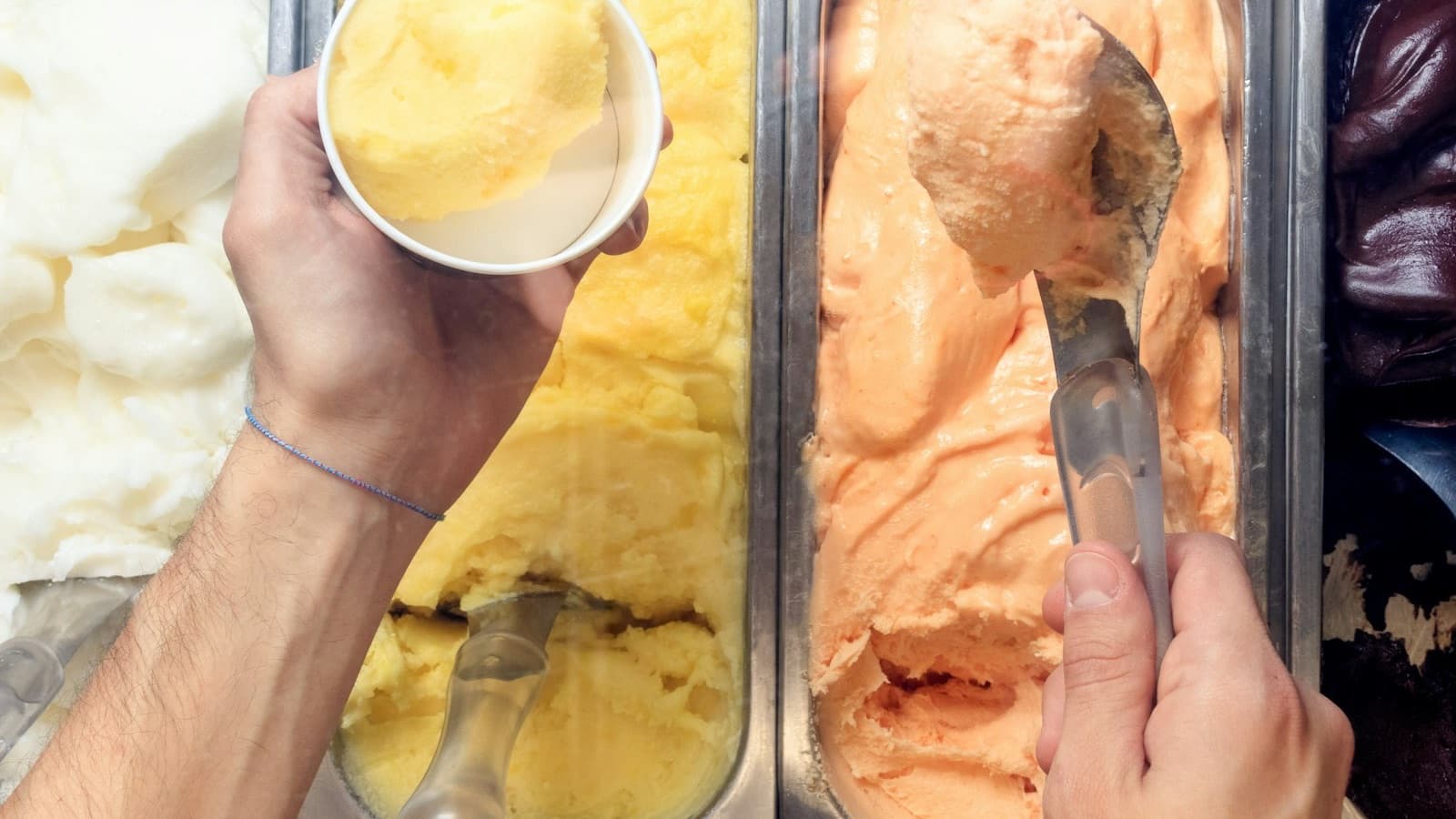
Ice cream looks like a gold mine, until your first summer of bills
A scoop costs pennies in ingredients, and you sell it for a few zloty, so on paper the margin looks fantastic. The problem is that the “cost of a scoop” is the smallest part of the equation. The real money goes on equipment, waste and seasonality, which you do not see when you only look at milk and sugar.
The real cost of a scoop
The ingredient cost of a scoop is milk, cream, sugar and extras (fruit, chocolate, nuts). Prices of these ingredients can swing a lot: according to GUS (Statistics Poland), in May 2026 sugar in Poland was 18.5% cheaper than a year earlier and butter 24.6% cheaper, but at other times it was the other way round.[1] Dairy prices are tracked on an ongoing basis by KOWR (Poland's National Support Centre for Agriculture).[2] But ingredients are only the start: to a scoop you add the electricity for the display cabinet and blast freezer, packaging and labor.
- ingredients: milk, cream, sugar, fruit, chocolate, prices change, so calculate them on an ongoing basis
- energy: the display cabinet and blast freezer cool non-stop, at night too
- packaging and extras (cone, cup, spoon): small, but they add up
- labor: production, cleaning and service are also part of the cost of a scoop
Losses you do not see
Ice cream is unpredictable in sales: it depends on the weather, the day of the week and customers' mood. A cool weekend can leave you with a display cabinet full of unsold flavors, and every opening and melting is a loss you cannot invoice.
- unsold flavors at the end of the day: lost ingredients and work
- melting and refreezing ruin quality, and part goes in the bin
- sales depend heavily on the weather, so they are harder to plan than made-to-order cakes
The equipment runs all year, sales happen only in summer
An ice cream display cabinet, a blast freezer, a storage freezer: this is an investment and a fixed cost you carry for 12 months. And the real ice cream season in Poland is a few months. If you calculate the margin only from July, it looks great, until you spread the equipment cost over the whole year. Then it turns out the “cheap scoop” also has to earn for the months when the cabinet stands empty.
- spread the cost of the display cabinet and blast freezer over the whole year, not just the season
- you pay for the electricity of the refrigeration equipment in winter too
- calculate how many scoops you really sell in the season, they have to cover the equipment
How to calculate the real margin
The rule is the same as with cakes: a margin calculated only from the ingredient cost lies. You get the real picture only when you add a share of fixed costs (equipment, electricity, labor) to the cost of a scoop and account for waste. We described exactly this method in our article on cake food cost, and for ice cream it works the same way.
- cost of a scoop = ingredients + packaging + allocated share of fixed costs + assumed waste
- calculate the margin and price only from the full cost
- treat ice cream as a seasonal product that also has to earn for the slow months
How BakePilot calculates it
To know whether ice cream really makes money, you have to calculate on an ongoing basis, and milk and sugar prices change. In BakePilot the cost calculator calculates the cost of every recipe from the ingredient database: you update the price of cream in one place, and your ice cream and dessert recipes are recalculated immediately. Sales statistics show which flavors really sell and which only take up space in the cabinet, so you make what sells, not what you have always made. We show how it looks in the app for ice cream shops on our ice cream shop software page.
Sources and footnotes
- [1]Socio-economic situation of the country: prices of consumer goods and services (May 2026: sugar -18.5%, butter -24.6% year on year) (in Polish), Statistics Poland (GUS), 2026link (opens in a new tab)
- [2]Dairy products market: weekly price reports (milk, cream, butter) (in Polish), National Support Centre for Agriculture (KOWR), 2026link (opens in a new tab)
Author: Patryk Kowalski. Last updated: . Spotted a mistake? Write to kontakt@bakepilot.pl and we will correct it and update the date. Editorial policy
How would you rate this article?
Your rating helps us write better content for bakers and pastry chefs.
Loading…