Pre-orders in a pastry shop: why orders in advance are your ally
Baking “blind” is a loss you never see on an invoice. How to start taking orders in advance, so you throw away less, have cash flow from deposits and a calmer schedule.

Baking “blind” is a cost you do not see
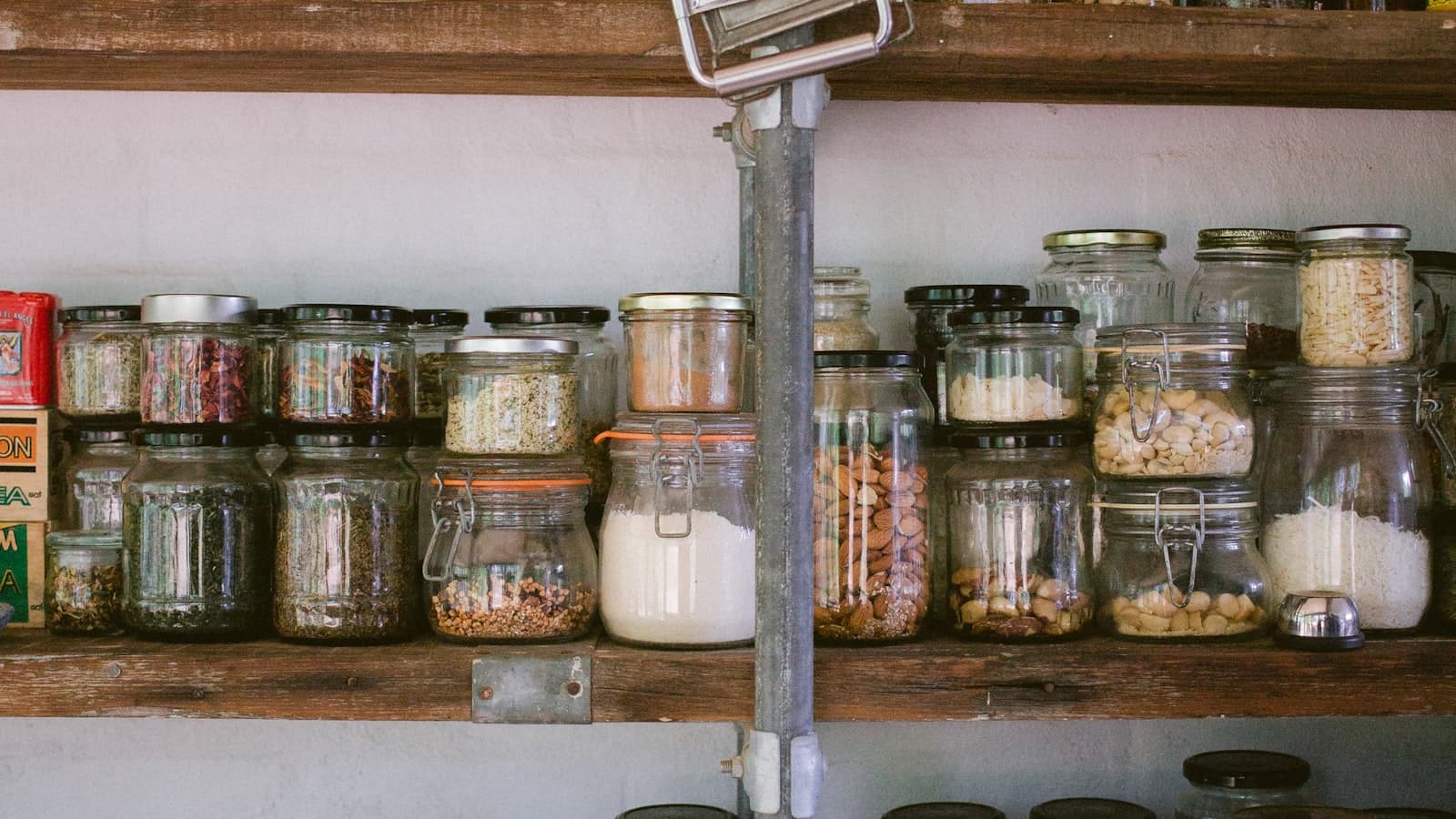
The classic model of a small pastry shop is to bake “as much as fits” and hope it sells. Whatever is left at the end of the day ends up in the bin, and with it flour, butter, eggs and your work. This loss has no separate line on an invoice, so it is easy to ignore, but in reality it eats your margin more than many ingredient price increases. In our pastry shop, after introducing pre-orders and production discipline, ingredient waste fell from over ten percent to a few percent.
- unsold bread and cakes = ingredients + work + energy in the bin
- baking “by eye” means guessing demand from scratch every day
- the more expensive the ingredients, the more every discarded item hurts
What pre-orders really give you
Taking orders in advance reverses the logic: first you know what to make, then you make it. Instead of guessing, you produce for specific orders, and that changes several things at once.
- predictability: you know how much and what you produce before you turn on the oven
- less waste: you bake to order, not “for stock”
- cash flow: deposits pay for ingredients before production
- a calmer schedule: you plan the week instead of putting out fires
- better prices: when baking to order you can afford higher quality without risk
How to introduce pre-orders without scaring customers off
Pre-orders do not mean closing the door on walk-in customers. They mean clear rules where production is expensive and labor-intensive. Let the display case stay a display case, but cakes, larger orders and holidays have their own rules.
- decide what goes to pre-order (cakes, larger orders, holidays) and what customers take from the display case
- set a minimum lead time for orders (for example a cake: 3 days, a wedding cake: 2 weeks)
- state the rules clearly: deadline, deposit, pickup method, ideally in writing
- stick to your deadlines: one exception and you are back to chaos
Holidays and occasions are natural pre-orders
The easiest place to start with pre-orders is where customers plan ahead anyway: Easter, Christmas, Valentine's Day, Mother's Day, First Communions, weddings. On these occasions demand jumps, and customers understand they need to book a cake early. It is the perfect moment to get your customer base used to ordering in advance.
- open holiday bookings early enough and communicate the deadline
- prepare ready-made occasion sets or designs with the price calculated
- collect deposits: at the peak it is the only way to keep the number of orders under control
A deposit is not a lack of trust, it is a filter
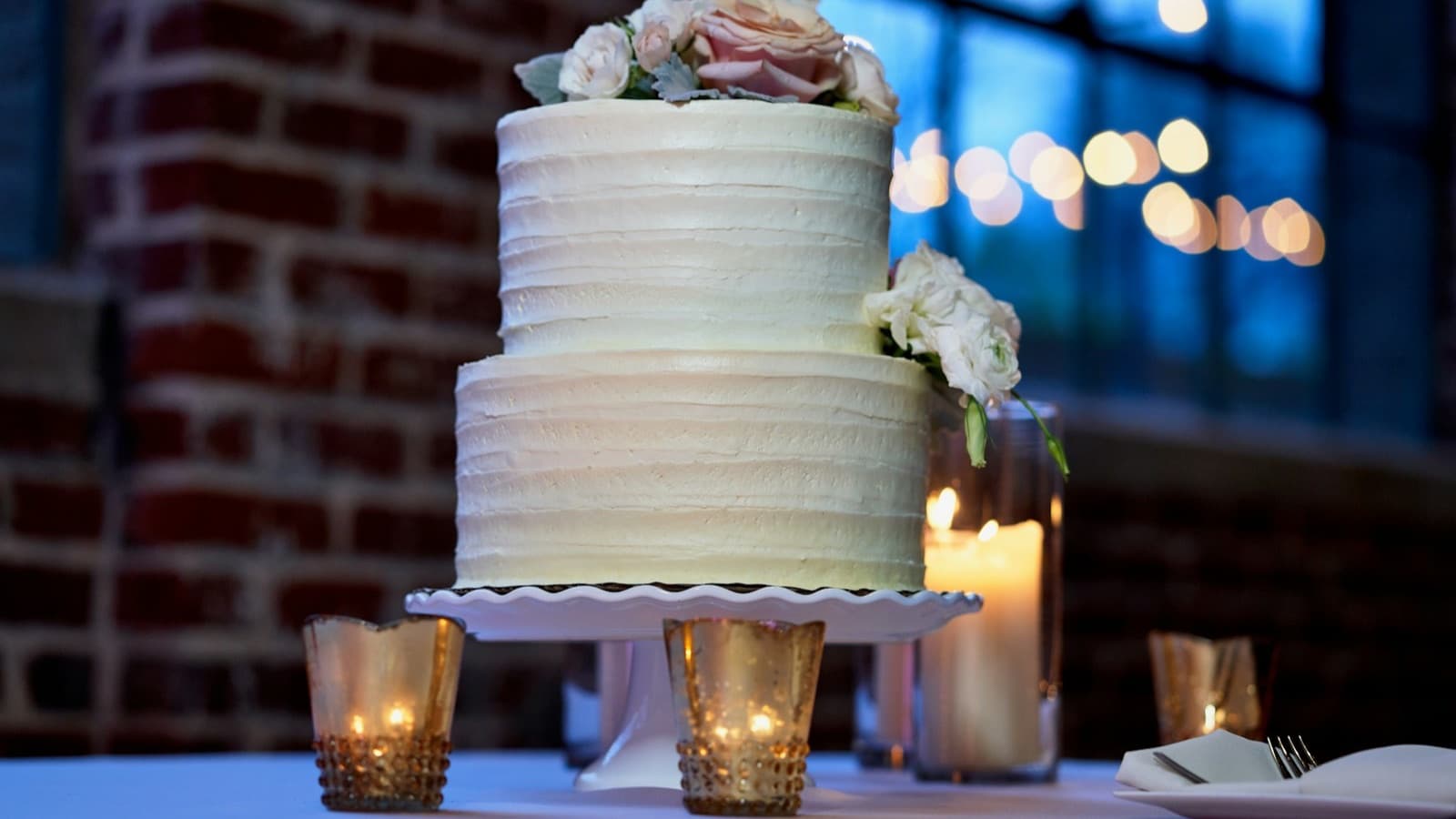
Many pastry chefs are afraid to ask for a deposit, so as not to put customers off. In practice it is the other way round: a deposit separates real orders from “maybe I'll drop by”. A customer who has paid comes to collect. And you are not left with a wedding cake nobody came for.
- a deposit filters out uncertain orders before they block your schedule
- for large, personalized cakes it is standard, not a whim
- record who paid and how much, so there is no confusion at pickup
How BakePilot does it
Pre-orders only work when you have orders in one place and can see them over time. In BakePilot you create an order with the pickup date and time and a deposit, and the production calendar arranges them into a week, so you plan instead of putting out fires. Notifications remind the customer about pickup, and sales statistics show what you really need and how much, so you produce for demand, not for a hunch. Less in the bin, more in the till.
Author: Patryk Kowalski. Last updated: . Spotted a mistake? Write to kontakt@bakepilot.pl and we will correct it and update the date. Editorial policy
How would you rate this article?
Your rating helps us write better content for bakers and pastry chefs.
Loading…