Registering a food delivery vehicle with Sanepid in Poland: 2026 requirements
Do you deliver cakes and boxes in your own car in Poland? You must register it with Sanepid, the Polish sanitary inspection. Requirements, how to register and which car fridge to choose, in line with Regulation 852/2004.
When you must register your vehicle
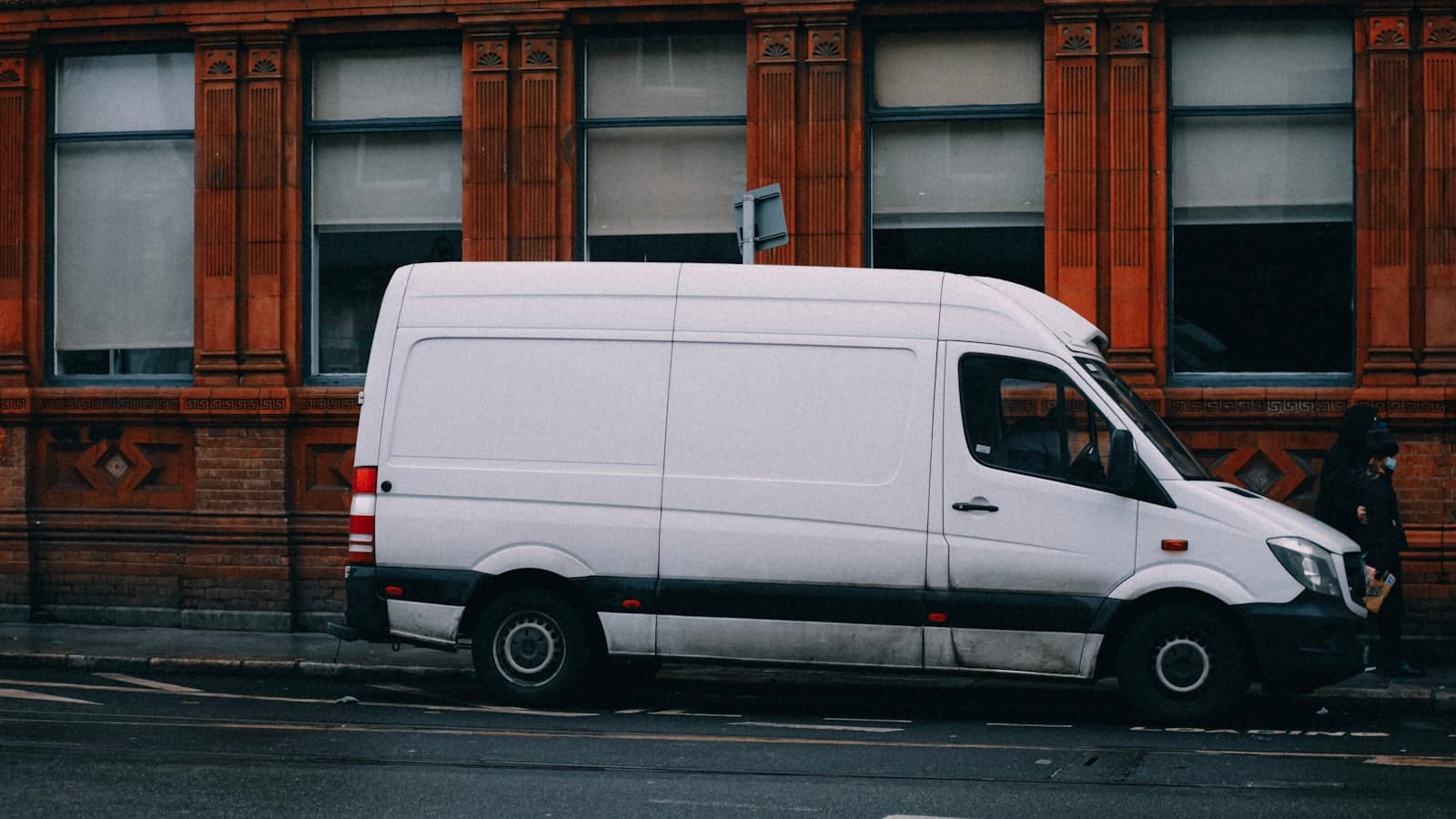
If you transport food commercially (from your pastry shop to a customer, to a cafe, to an event), you must register the vehicle with Sanepid. This applies to every car, from a Smart to a van. The legal basis: Regulation (EC) No 852/2004, Annex II Chapter IV, and the Polish act on food and nutrition safety.[1]
- a car carrying only finished, packaged dry products (for example packaged sweet buns): milder requirements
- a car carrying products that need refrigeration (cakes with cream, dairy desserts): strict requirements
- a car carrying deep-frozen products (ice cream, frozen goods): the highest requirements, with thermal insulation and a refrigeration unit
- not registering the vehicle can mean an administrative penalty of 1,000-5,000 PLN
- a roadside check or a road accident with food on board brings further consequences
Vehicle requirements
The vehicle must meet the following conditions:
- a cargo area separated from the driver's cabin (a grille or a partition)
- a washable cargo area that is easy to clean, ideally polyurethane or stainless steel, with NO plush upholstery
- no holes, gaps or sharp edges
- cleanliness: no dust, organic dirt or visible stains
- for chilled food: a cooling device keeping 0-4°C for dairy products
- for frozen food: a device keeping -18°C or below
- a thermometer with a readout in the driver's cabin (so you can check the temperature while driving)
- optional: a temperature data logger (for example tempmate), useful evidence in case of a complaint
Car fridge: what to choose
If you carry cakes with cream, fruit tarts or dairy desserts, you need a fridge. The options in practice:
- a small 12V thermoelectric cooler (up to 50 liters): will not keep 4°C in hot weather, only for short distances
- a 12V/230V compressor fridge (Dometic, Engel, Vitrifrigo): keeps 0-4°C, 60-120 liters, 3,000-8,000 PLN
- an insulated body with a roof-mounted unit (Thermo King, Carrier): for a van, 15,000-40,000 PLN, a professional solution
- insulating the whole cargo area plus replaceable cold packs: a cheap alternative for short routes
- for ice cream: only a mechanical refrigeration unit, no cold packs will hold -18°C in summer
Documents for the Sanepid registration
You file the formal application with your district PSSE (the same office that supervises your production premises).
- an application to enter the vehicle in the register (a PSSE form, often electronic)
- the vehicle registration certificate (a copy)
- photos of the cargo area (4 photos: back, side, top, bottom)
- the fridge specification (if the vehicle carries chilled food)
- a written procedure for cleaning and disinfecting the vehicle
- a vehicle cleaning schedule with confirmations (signatures)
Vehicle inspection by the inspector
Before the vehicle is entered in the register (and periodically afterwards) a PSSE inspector will come to check it in person. They will pay attention to:
- real cleanliness (not just “freshly washed before the inspection”)
- whether the fridge works: they may check the temperature after 15 minutes of running
- food packaging: is it sealed and certified for contact with food
- the driver's documents: health book and hygiene training
- the vehicle cleaning procedure: does it exist and is it followed
Practical tips from pastry shops that deliver
From the experience of pastry shops that deliver wedding cakes over 50-200 km:
- arrange a steam car wash once a week: it costs 50-100 PLN and gives you documentation
- use cake boxes made of certified cardboard or PVC (not random boxes)
- every delivery gets a new box: never reuse cardboard from a previous delivery
- in summer leave with a 1-2 hour buffer: traffic jams plus a fridge running all the time
- on long distances (over 80 km) always use a temperature data logger, so you have evidence in case of a complaint
- red flag: a puddle of water in the fridge means the cooling cannot keep up, get the cake delivered as fast as you can
Total cost: the budget
The approximate cost of adapting a car for transporting chilled food:
- refurbishing the cargo area (stainless panel plus cleaning): 1,500-4,000 PLN
- a 12V/230V compressor fridge: 3,000-8,000 PLN (used from 1,500 PLN)
- a temperature data logger: 200-800 PLN
- a thermometer with a readout in the cabin: 100-400 PLN
- HACCP / cleaning procedures: 300-1,000 PLN (if a consultant writes them)
- in total: 5,000-14,000 PLN for a professional setup
How BakePilot helps
Delivering a cake to a customer is where it is easy to slip up: wrong times, a mistake in the address, no documents for the load. BakePilot has a separate deliveries module (route optimization, order of stops, estimated arrival time) and a driver sheet with the list of deliveries for the day and a “delivered / not delivered” option. SMS notifications to the customer about the status (“your cake is on its way, with you in 20 minutes”) reduce phone calls and complaints. Plus issuing invoices with KSeF (Poland's National e-Invoicing System) straight from the app: if a business customer orders regularly, the invoice goes out together with the delivery. This adds the operational side to the Sanepid requirements (temperature log, cleaning procedures): you deliver efficiently and you have the documents in the app anyway.
Sources and footnotes
- [1]Regulation (EC) No 852/2004, Annex II Chapter IV: Transport, European Union, 2004link (opens in a new tab)
- [2]Guidelines of the Chief Sanitary Inspectorate for food transport (in Polish), Chief Sanitary Inspectorate of Poland (GIS), 2023link (opens in a new tab)
- [3]Act of 6 September 2001 on road transport (in Polish), Journal of Laws of the Republic of Poland (Dziennik Ustaw), 2001link (opens in a new tab)
Author: Kamila Kowalska. Last updated: . Spotted a mistake? Write to kontakt@bakepilot.pl and we will correct it and update the date. Editorial policy
How would you rate this article?
Your rating helps us write better content for bakers and pastry chefs.
Loading…